Foundation warning signs
What homeowners notice first, and what engineers measure to decide whether it matters.
Foundation movement usually shows up inside the house before anyone looks at the slab. These are common signs. None of them alone proves a foundation problem, but together, and especially if they're getting worse, they're worth an evaluation.
Inside
- Diagonal cracks in drywall running from the corners of doors and windows
- Doors that stick, swing open or closed on their own, or no longer latch
- Gaps between walls and ceilings, or along baseboards and trim
- Cracked floor tile, or floors you can feel sloping
Outside
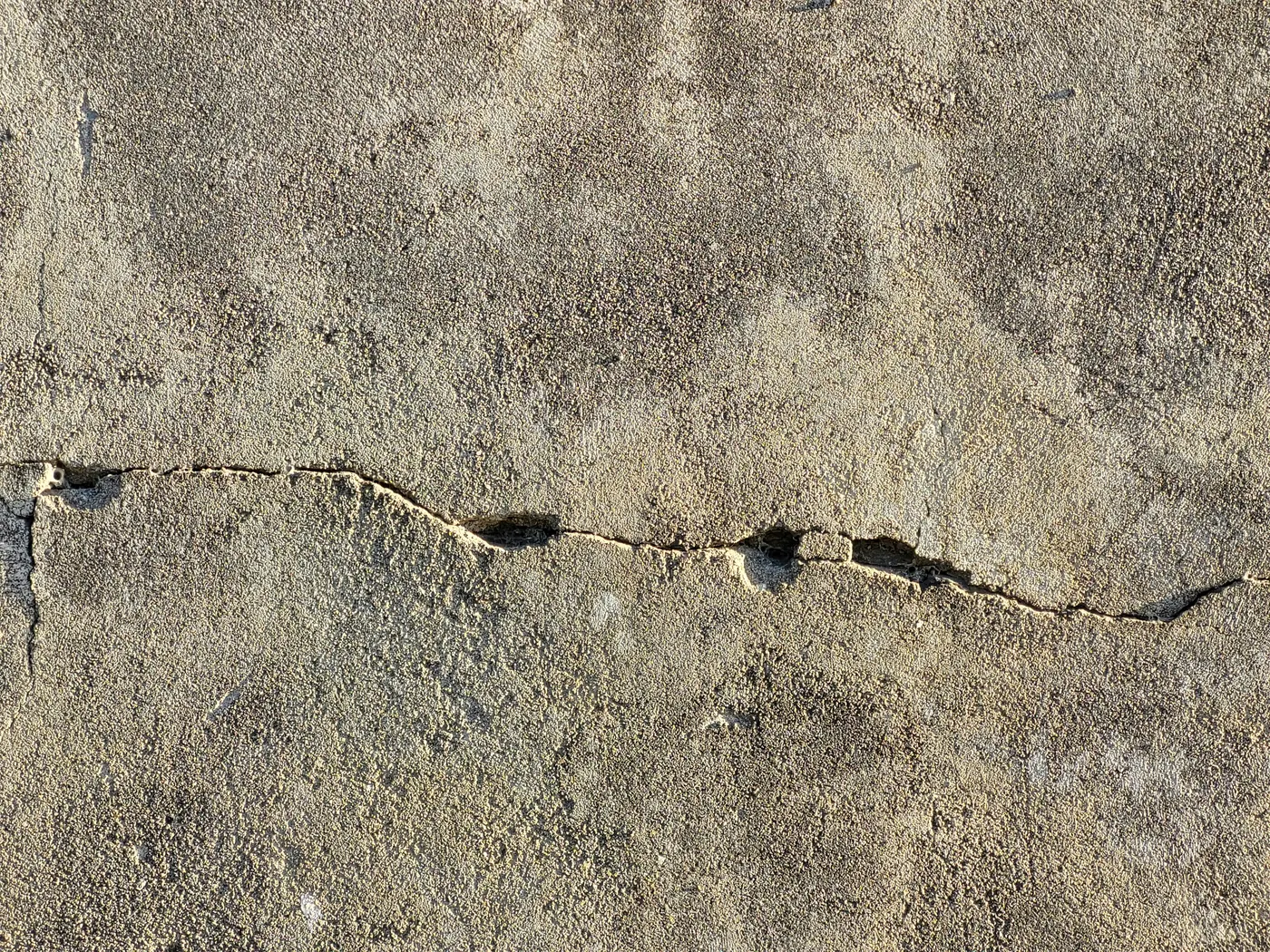
- Stair-step cracks in brick, or cracks in the visible slab edge
- Soil pulling away from the foundation in dry weather
- Water pooling against the house after rain
How engineers judge it
An engineer doesn't go by cracks alone. The Texas Section ASCE guidelines have engineers measure relative floor elevations and compare the results with tolerances. A few reference points from the guidelines:
- A tilt greater than about 1 percent is usually noticeable.
- The Americans with Disabilities Act treats a 2 percent slope as too steep.
- For bending of the slab, the guidelines use a deflection limit of L/360, a common standard for structural members.
What to do
- Photograph each crack with a ruler or coin for scale, and date it.
- Check again in a few weeks to see whether it's changing.
- Look at gutters, downspouts and grading. See soil and drainage.
- If things are moving, get an engineer's evaluation before agreeing to a repair.
What repairs cost
HomeAdvisor's June 2026 guide lists cracks at $250 to $800 and settling or sinking at $5,000 to $25,000. See costs.
Common questions
How much slope in a floor is a problem?
The Texas Section ASCE guidelines note that a tilt greater than about 1 percent is usually noticeable, and that the ADA treats 2 percent as too steep. An engineer compares measured elevations with tolerances to decide.
Is a crack in my wall a foundation problem?
Not necessarily. A single crack doesn't prove it. Date and photograph cracks, watch for change, and get a measured evaluation if things keep moving.
Have a local contractor take a look
Send the form or call. We forward your request to a local foundation repair contractor. Homeowners never pay us.
If you reach voicemail, leave your name, number, the property address and what you've noticed.